Freezing and Packing Pheasants for the Drive Home
The last mile of a pheasant trip is not the final CRP strip. It is the cooler, the motel ice machine, the interstate weigh-station anxiety, and the home freezer that still has last year’s venison in it. A bird that flew hard and died clean can still spoil in a hot cab, or get confiscated because six roosters froze into one opaque brick that no warden can count without a thaw.
This guide picks up where Pheasant Cleaning and Field Care leaves off. That page has the state-by-state evidence-of-sex / transport ID table. Here we go deeper on packages that survive a multi-day drive, the cooler → fridge → freezer pipeline, and the food-safety numbers USDA FSIS actually publishes. Dinner after you get home lives on After the Hunt: Simple Pheasant Meals. Trip stacks and license math: Nonresident Licenses Compared and Picking a Midwest Pheasant State.
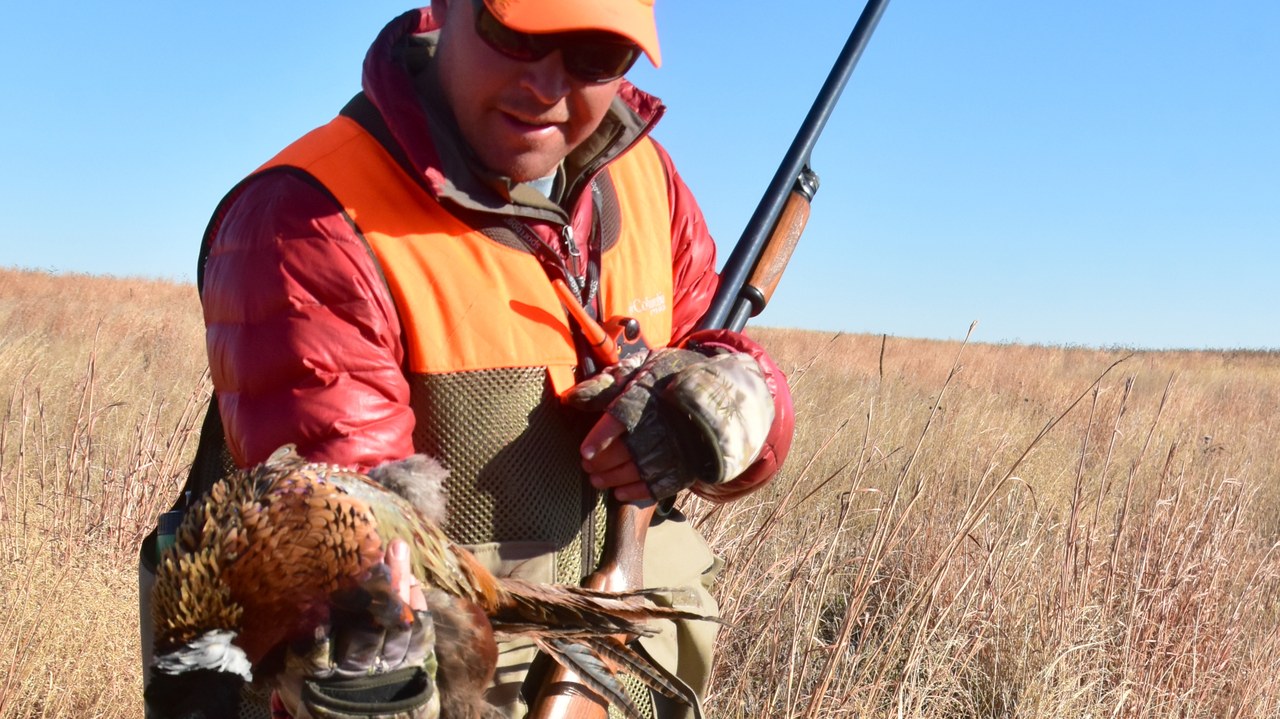
What “done” looks like before you leave camp
- Legal bird, legal ID still attached. Finish cleaning only as far as the state you are leaving—and every state you will drive through—allows. The practical default from the cleaning guide still holds: a fully feathered wing on every bird satisfies the plumage language in most Midwest rooster states and survives a cooler better than a loose foot swimming in meltwater. Montana is the hard exception: leg and foot must stay naturally attached until your permanent residence (see table below).
- Heat out. Warm birds stacked in a closed cab are how openers turn into compost. Shade, ventilated game bag while you are still hunting, then sealed cooler once you are rolling.
- Countable packages. Wardens need to verify species, sex where required, and count without thawing your entire trip. South Dakota writes that into the regulation for frozen birds; other states still expect packages that can be inspected.
Transport ID that survives freezing (seven states)
Leave the required identifying part attached until you are home, at a licensed processor with a proper receipt, or wherever that state’s rule says the requirement ends. Exact wording:
| State | Keep attached while transporting (unless home / licensed processor with receipt, per that state) | Frozen / packaging notes | Official anchor |
|---|---|---|---|
| South Dakota | Head, fully feathered wing, or foot (head/wing need enough plumage for prompt ID) | If frozen: no more than two birds per package so species and count can be identified | ARSD 41:06:03:02 · GFP FAQ · GFP news reminder |
| Nebraska | Head or one leg for pheasants and prairie grouse while in the field or returning home | Guide language is identification in the field / returning home—not a separate frozen-package count. Confirm any processor-receipt exceptions in the live Small Game guide | NGPC Small Game & Waterfowl Guide 2025–26 · outdoornebraska.gov/hunt |
| Kansas | Intact foot or plumage by which sex can be readily established | No statewide “two per package” rule found in K.A.R. 115-3-1(g); still pack so sex can be checked. Written notice rules apply when birds change hands | K.A.R. 115-3-1(g) · KDWP Pheasant |
| Iowa | Foot, fully feathered wing, or fully feathered head attached to the carcass | Birds may be field dressed; carcass ID must remain during transport in the state | Iowa DNR — How do I transport pheasants? |
| North Dakota | One leg and foot, or fully feathered head, or fully feathered wing until legal residence or processed to be immediately consumed | Away from legal residence: tag each piece (signature, address, date, number/species, license number); packages must let species and number be easily determined | NDGF Small Game proclamation §§8–9 |
| Minnesota | One leg or a fully feathered wing | No separate frozen-package count on the DNR pheasant page; keep ID attached and packages countable | MN DNR Pheasant — Transportation |
| Montana | One leg and foot naturally attached for evidence of sex until permanent residence | Other upland species have wing rules; for pheasants, follow the leg-and-foot statute. Tag birds left for cleaning/storage/shipment (ALS number, signature, address, totals by species, dates) | 2026 Upland Game Bird regs PDF (MCA 87-6-406) |
Interstate habit: When you hunt in one state and drive home through others, build the package for the strictest rule on the route. A Montana rooster with the foot still on travels fine through South Dakota’s two-per-package freeze rule; a South Dakota bird breasted out with nothing attached does not travel fine through Montana.
Giving birds away / shipping / someone else’s cooler: South Dakota allows a licensed hunter, at the end of the hunt, to haul another hunter’s bird to a processor if it is tagged with name, address, total number and species, kill date, and signature (ARSD 41:06:03:02). North Dakota requires the license holder to accompany game unless gifted/tagged under its storage rules, and residents need a department permit to ship game out of state (NDGF §9). Kansas has written-notice rules when birds change hands (K.A.R. 115-3-1(f)). Read the live handbook before you hand a cooler to a buddy for the drive.
South Dakota’s frozen-package rule (and why opaque bricks fail)
ARSD 41:06:03:02 is blunt: game birds, if frozen, shall be packaged no more than two per package so species can be identified and counted. GFP’s public reminder adds the field lesson: birds frozen together in milk jugs, ice-cream tubs, or other nontransparent containers that block ID get confiscated and can draw a citation. Officers suggest keeping birds individually cooled or frozen while transporting, then moving to a more permanent home package once you are at the domicile.
Field advice for any state: Even where the code does not say “two per package,” freeze in clear bags or wrap so a warden can see a wing, foot, or head without a science project. Label each bag with hunt date, state, and count. Your future self will thank you when the freezer looks like a blizzard.
Cooler → motel fridge → home freezer
USDA FSIS sets the kitchen numbers that still apply to cleaned wild birds once they leave the field. Cite and follow FSIS food-safety basics, Leftovers and Food Safety, Chicken from Farm to Table, and the FoodSafety.gov cold storage chart:
| Step | FSIS / FoodSafety.gov anchor | How it maps to a pheasant trip |
|---|---|---|
| Keep cold | Fridge 40°F or below; freezer 0°F or below | Aim the travel cooler at fridge-cold birds until you can freeze hard |
| Time out of chill | Perishable food: into fridge/freezer within 2 hours (1 hour if air temp is above 90°F) | Do not leave a cooler of birds in a closed truck overnight in an October heat wave |
| Fresh poultry window | Fresh poultry pieces: fridge 1–2 days; freeze sooner for quality | Cleaned birds you will not cook this week belong in the freezer |
| Cooked leftovers | Fridge 3–4 days; reheat to 165°F | Motels leftovers and opener chili follow the same clock |
| Freezer quality (not safety) | Whole chicken ~1 year; pieces ~9 months; cooked leftover pieces often cited ~4 months for quality; food kept continuously at 0°F stays safe indefinitely | Vacuum seal or wrap tight; label hunt date; quality declines long before safety does |
| Cook doneness | All poultry to 165°F internal | Same number on the recipes guide—no invented “medium-rare pheasant” rule |
Field advice: packing the travel cooler
- Ice packs over loose ice when you can. Standing meltwater softens skin and speeds spoilage. If you must use ice, bag birds so water drains away from the meat.
- One layer deep when possible. Do not crush warm birds under a mountain of boots and dog bowls.
- Vent on the walk, seal on the highway. Breathable game bags while hunting; closed cooler once you are driving.
- Re-ice every overnight stop. A cooler that was cold at lunch can be lukewarm by breakfast if the hotel ice was light and the lid never closed.
- Keep ID parts out of the drain plug. A foot floating free in the melt is not “attached.”
Multi-day drives (field advice + law)
- Day 1–2: Keep birds fridge-cold with ice packs; finish only the cleaning the origin state allows; leave transport ID on.
- Before a long interstate day: If you can freeze hard at a friend’s house, processor, or motel freezer, use clear packages of one or two birds (mandatory in South Dakota; wise everywhere).
- Do not thaw to re-pack on the shoulder. Thawing for a prettier bag puts you back on the FSIS clock.
- Possession still counts. Cleaned birds in the cooler still count toward possession limits until they are at the domicile or otherwise out of the limit under that state’s rule—confirm the live handbook; we do not invent “freezer exemption” language here.
Home packaging that fights freezer burn
Once you are at permanent residence and the transport ID rule for that state is satisfied:
- Pat dry. Remove remaining shot and grit. Discard meat that smells sour or feels slimy.
- Portion for meals—two breasts, a pair of legs—so you thaw only what you will cook.
- Vacuum seal or wrap tightly in freezer paper / heavy foil / freezer bags with air pressed out.
- Label: species, hunt date, state of take, count.
- Freeze at 0°F or below. Quality windows above are guides, not magic dates.
Thaw in the refrigerator, in cold water (leak-proof bag), or in the microwave—then cook. FSIS does not endorse thawing poultry on the counter. Leftovers: shallow containers, fridge within 2 hours, reheat to 165°F. Details and meal patterns: After the Hunt recipes.
Airline / checked coolers
We did not find official language from SD GFP, NGPC, KDWP, Iowa DNR, NDGF, MN DNR, or MT FWP that specially authorizes or bans checked airline coolers of pheasants. Airline and TSA rules for coolers, ice, and dry ice are separate from state wildlife transport ID. If you fly with birds: confirm with the airline, TSA, and every wildlife agency on the itinerary; keep required ID attached; keep packages countable; and do not treat a boarding pass as a substitute for a transportation permit where a state requires one (for example North Dakota’s out-of-state shipping rules for residents). When in doubt, drive or use a licensed processor and ship only under written agency rules.
Packing checklist
- Cooler large enough for birds + ice packs without crushing
- Extra ice packs / dry towels / zip bags
- Clear freezer bags or vacuum bags (plan for ≤2 birds per frozen package if you hunted or will travel through South Dakota)
- Permanent marker for labels
- Copy of licenses and knowledge of transport ID for every state on the route
- Processor receipt form if you are picking up cleaned birds (SD GFP reminds hunters that receipts need facility name, number and species, and owner name)
- Instant-read thermometer waiting at home for the 165°F finish
Featured gear — partner slots
Empty until a real partner exists. Cold chain gear earns its keep; we do not invent brands or affiliate URLs.
Name TBD · Why it matters: keeps birds fridge-cold across a multi-day drive without crushing packages · Who it’s for: anyone hauling a possession limit home · Partner link coming
Name TBD · Why it matters: clear, countable packages and less freezer burn · Who it’s for: hunters finishing birds at home after the ID rule is satisfied · Partner link coming
Name TBD · Why it matters: cold without a lake of meltwater on the meat · Who it’s for: openers and warm late-October afternoons · Partner link coming
Related
- Pheasant Cleaning and Field Care
- After the Hunt: Simple Pheasant Meals
- Wild Birds vs. Preserve Hunts
- Nonresident Licenses Compared
- Budget 3-Day Pheasant Trip
- Opener Weekend Survival Guide
- Picking a Midwest Pheasant State
Sources
- ARSD 41:06:03:02 — Game bird transportation and packaging (ID parts; frozen ≤2 per package; tagged haul to processor)
- South Dakota GFP FAQ — packaging / transporting small game
- South Dakota GFP — Requirements for transporting harvested game (nontransparent containers; ≤2 frozen per package)
- Nebraska Game and Parks — Small Game & Waterfowl Guide 2025–26 (pheasants/prairie grouse: head or one leg attached in field / returning home)
- Nebraska Game and Parks — Hunt
- K.A.R. 115-3-1 (pheasant transport: foot or plumage; written notice when giving birds)
- KDWP — Pheasant
- Iowa DNR — Pheasant hunting (transport FAQ)
- North Dakota Game and Fish — 2026 Small Game proclamation (§§8–9 identification, transportation, storage, packaging)
- Minnesota DNR — Pheasant hunting (transportation)
- Montana FWP — 2026 Upland Game Bird regulations (MCA 87-6-406 evidence of sex for pheasants; tagging when left for cleaning/storage)
- USDA FSIS — Safe minimum internal temperature chart (poultry 165°F)
- USDA FSIS — Leftovers and Food Safety
- USDA FSIS — Keep Food Safe / chill basics
- FoodSafety.gov — Cold food storage chart
- USDA FSIS — Chicken from Farm to Table (thaw methods; freezer quality windows)
- On this site: Pheasant Cleaning and Field Care · After the Hunt recipes · Wild Birds vs. Preserve Hunts
- Agency pages and FSIS charts above checked live 2026-10-15. Nebraska evidence-of-sex language is taken from the published 2025–26 Small Game & Waterfowl Guide PDF; reconfirm if a newer guide posts mid-season.
- No license prices, bag limits, or invented freezer “safe forever” quality claims. Airline/TSA cooler rules are not restated; confirm with carrier and agencies before flying birds.
- Cooler packing habits marked field advice are not statutes. Preserve tagging (bands, kill tags, CSA forms) remains on the Wild Birds vs. Preserve guide.