Over/Under Shotguns for Pheasants
An over/under is two honest barrels and one clean rib. No gas piston to babysit. No pump stroke between birds. Just a stack of steel, a pair of chokes, and the question every Midwestern walker eventually asks: will I still love carrying this at mile eight?
This is field guidance—not a catalog ranking. Pair it with Best Pheasant Shotguns for gauge and action context, Ammo & Chokes and the Shotgun Choke Guide for tube choices, and the gear checklist for what else leaves the truck.
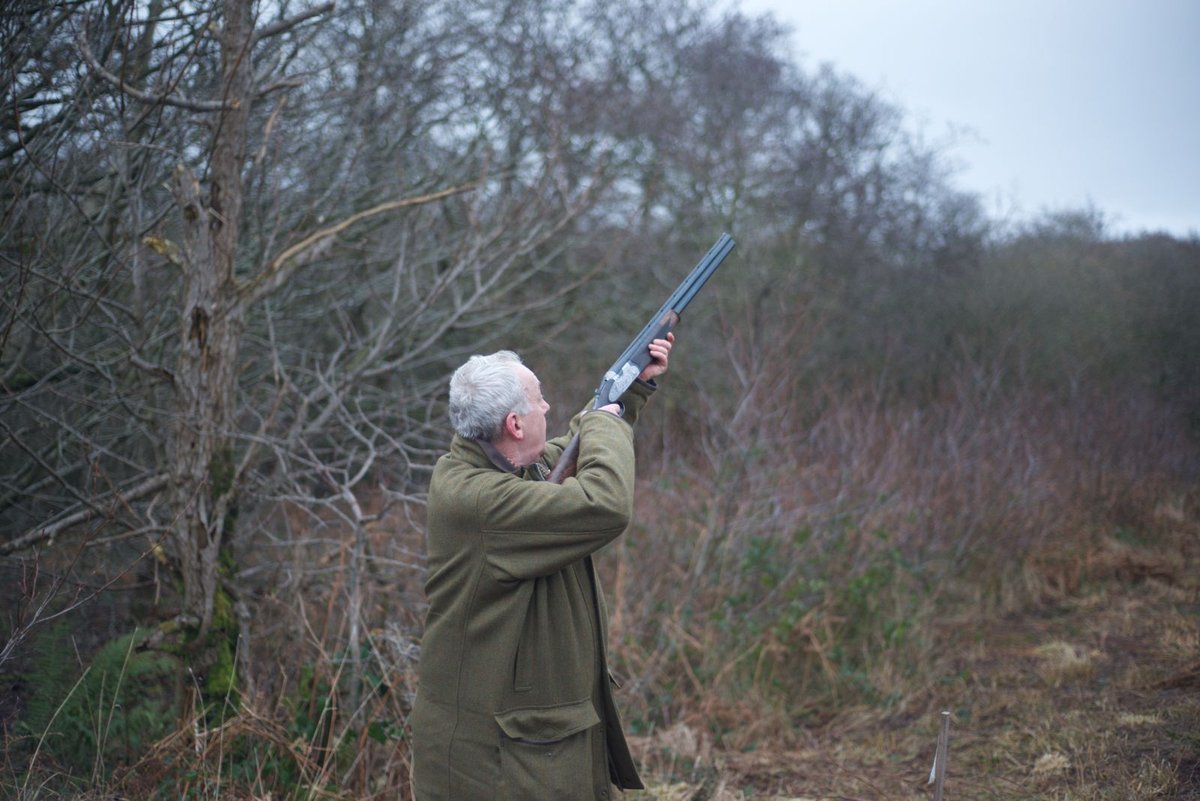
Why the stack shows up in pheasant country
Two chokes without a tube wrench mid-flush. Open in the bottom for the lap bird; tighter on top for the runner that towers. Most Midwest walkers live in IC / Modified or Light Modified / Modified—see the choke guide rather than reinventing constriction theater every morning.
One sight picture. A single ventilated rib is easier for many eyes than a side-by-side’s two beads. Mounts stay consistent; the second shot doesn’t invent a new aiming plane.
Break-action honesty. You see empty chambers. You clear the gun at the truck and over fences without guessing whether a semi is still hot. On shared public edges, that visual safety is manners, not cosplay.
No gas system to freeze or foul. Dust, cattail fluff, and wet snow punish complicated receivers. An O/U asks for oil and a wipe—not a field-strip on the tailgate.
Weight vs all-day miles
This is where romance meets CRP.
| Carry class (rough) | How the afternoon feels | Who it favors |
|---|---|---|
| ~6–6.75 lb field O/U | Still willing at mile nine | WIHA / PLOTS / OFW walkers who shoot a double cleanly |
| ~7–7.5 lb “standard” | Fine until the wind turns mean | Mixed days, shorter loops, good fitness |
| 8+ lb clays / sporting guns | Punishes grass; wins the station | Sporting clays, preserve mornings, not 10-mile public days |
Sub-seven pounds wins afternoons. Magnum-proof clays guns win skeet leagues. Borrow the clays gun for a practice session; leave it home when the atlas says three parcels before lunch.
Balance matters as much as the scale. A muzzle-heavy stack tracks beautifully on crossing doves and feels like an anchor when you’re high-porting through rose for three hours. Prefer a gun that comes up, not one that waits for you to lift it.
Field guns vs sporting clays guns
Field O/Us — Shorter barrels (often 26–28”), simpler wood or weather-ready finishes, lighter profiles, choke tubes meant for mixed cover. Built to be carried closed for hours and opened twice a day.
Sporting / clays O/Us — Longer barrels, adjustable combs, ported muzzles, weight that soaks recoil on a hundred-bird card. Glorious on the station. Brutal as a WIHA daily driver unless you’ve already accepted the workout.
If your only double lives at the club, pattern it with hunting loads and be honest about the scale before opener. A great clays gun that you hate carrying is a semi in the truck waiting to happen—see Best Pheasant Shotguns.
Fit: the unsexy advantage
Mount the gun fifty times in the living room. Cheek weld should find the rib without a bruise. Length of pull that fits a t-shirt may fight a blaze vest and gloves—try it dressed like October.
Shim kits, recoil pads, and a gunsmith bend beat a new receiver more often than Instagram admits. An O/U that fits is faster than a semi that doesn’t. An O/U that doesn’t fit is a beautiful bruise.
Choke choices for CRP and cattails
Carry the cover matrix from ammo & chokes, then use the second barrel as your plan B:
- Thick switchgrass / rose / early flushes — IC (or Skeet) bottom; Modified top if birds still run
- Mixed CRP edges and shelterbelts — Light Modified / Modified is the quiet Midwestern default
- Late-season open stubble — Modified / Improved Modified only after the pattern board agrees
- GPA / WPA / non-toxic days — Open one constriction vs your lead pick; stay steel-rated—details in the choke guide and non-toxic public land
Changing tubes every flush is theater. Changing once when the season shifts is craft.
When an O/U beats a semi on public land
Choose the stack when:
- You value two preset chokes over a third shell you’ll rarely need if the first two are honest
- You want visual empty at trucks, fences, and multi-party edges
- You shoot a double cleanly and practice the reload as muscle memory, not panic
- Weight still feels friendly after a real scouting walk in hunting boots
Stay with (or pack) a light semi or pump when:
- Miles are the whole sport and every ounce shows by 2 p.m.
- Weather and abuse are constant—synthetic semis forgive kennel rides and ice better than fancy walnut
- You’re mentoring and want the simplest follow-up story for a new shooter
- You haven’t patterned or fitted the double yet—a gun you haven’t practiced with is cosplay
Public land doesn’t award style points. It awards birds you can carry and mounts you can repeat when the rooster is behind you.
Practice and mount habits
Break-actions reward deliberate reloads. After the first bird, reload before you walk—not after the second flush finds you empty. Practice:
- Mount from high port in brush pants and a loaded vest
- Break, eject/extract, two fresh shells, close, safety habits—fifty dry reps at home
- Pattern at 25 and 35 yards with the hunting load and both tubes
- Shoot a box of clays as pairs, not singles, so the second barrel isn’t a rumor
The O/U’s second shot is a gift only if the mount on bird one didn’t already throw your cheek off the stock.
Featured gear — partner slots
Name TBD · Why it matters: two chokes and a carry weight that survives WIHA miles · Who it’s for: walkers who already shoot a double cleanly · Partner link coming
Name TBD · Why it matters: covers thick opener grass and mid-season prairie without a vest full of tubes · Who it’s for: one-gun public-land hunters · Partner link coming
Name TBD · Why it matters: fit beats a new receiver more often than catalogs admit · Who it’s for: anyone whose cheek or shoulder argues by lunch · Partner link coming
Related reading
- Side-by-Side Double Barrels for Pheasants
- Best Pheasant Shotguns
- Pheasant Hunting Ammo & Chokes
- Shotgun Choke Guide for Upland
- Pheasant Hunting Gear Checklist
Sources
- Field guidance based on common Midwestern upland practice; product slots are sponsorship-ready placeholders without affiliate URLs
- Choke and non-toxic land rules: see linked choke guide and non-toxic public-land page (agency cites live there)
- Legal shooting frameworks vary by state—confirm hours and shot-type rules on linked state guides