Side-by-Side Double Barrels for Pheasants
Say “double barrel” in pheasant camp and most people still picture a side-by-side—two tubes on a horizontal plane, a splinter or beavertail forend, and a gun that looks like it walked out of a Field & Stream cover from before GPS. The over/under is the modern stack; the SxS is the classic double. Both hold two shells. Only one carries that particular kind of romance—and that particular kind of weight penalty.
This page is honest field guidance. No invented model rankings. No fake “best of” lists. Pair it with Best Pheasant Shotguns, Ammo & Chokes, the choke guide, and the gear checklist.
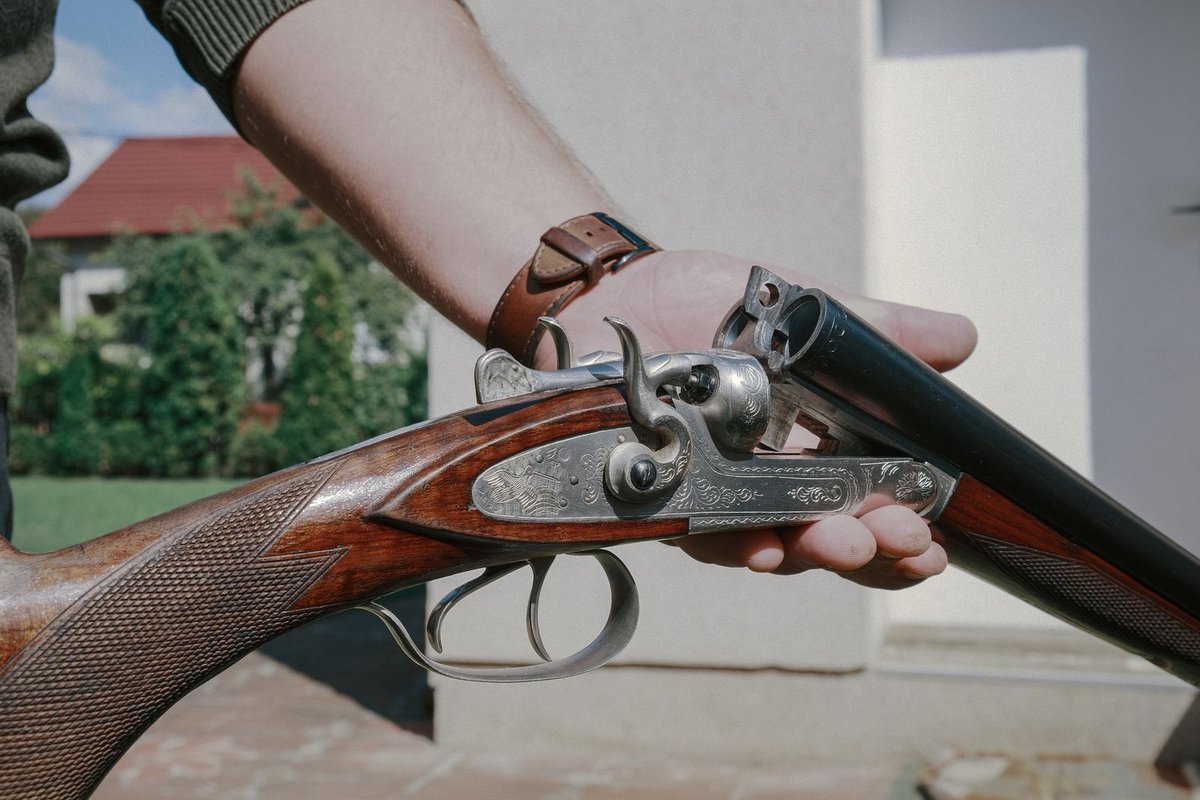
Romance vs miles
A side-by-side looks like pheasant hunting even when it’s hanging on a wall. That’s the trap.
On a Midwestern opener parking lot you’ll see a few true doubles—and you’ll see their owners borrow shells from the guy with the synthetic semi when the snow starts. The gun that photographs like tradition has to survive:
- Eight to ten miles of CRP and rose
- A vest that changes length of pull
- Cold hands on a slim wrist
- A second bird that doesn’t wait for poetry
If you love the gun enough to fit it, pattern it, and practice the reload, a SxS is a joy. If you love the idea of the gun, leave it for preserve mornings and short walks—and hunt public land with something you’ll still mount at 3 p.m.
Fit obsession (this is the whole game)
Side-by-sides punish poor fit louder than semis. The sight picture is two barrels and (often) a mid bead and front bead; your eye has to center that plane without a fight. Cast, drop, and length of pull aren’t boutique—they’re whether the left barrel prints where you looked.
Try the gun in hunting clothes. Mount until the rib appears without a cheek slap. If the stock fights you, budget a gunsmith before you budget engraving. A fitted working double beats a pretty wall-hanger every Saturday in November.
Extractors vs ejectors
| System | What happens when you break the gun | Field note |
|---|---|---|
| Extractors | Spent hulls lift; you pick them | Quieter; hulls in the pocket, not in the grass; slightly slower reload |
| Ejectors | Fired hulls kick clear | Faster pairs practice; louder; easier to litter if you’re careless |
Neither makes you a better shot. Ejectors shine when you’re running birds and muscle memory is clean. Extractors shine when you want quiet manners on shared edges and every hull back in the vest. Pick the habit you’ll keep when gloves are on.
Fixed chokes vs tubes
Fixed-choke doubles — Honest, classic, and stubborn. An IC/Mod or Mod/Full pair from the factory is a life sentence unless you shoot for a different constriction or accept a gunsmith’s work. Great if the pair matches how you hunt; limiting if your season swings from cattails to open stubble.
Choke-tube SxS guns — Less romance, more Midwest. Swap toward open for early thick cover, tighten when birds get wise, open again for steel on listed wetlands. See ammo & chokes and the choke guide for the cover matrix—don’t invent a third superstition.
If your heirloom is fixed Mod/Full, hunt it where that pair earns its keep—or pattern carefully and pass on the thickest early grass until you know the story.
16 / 20 / 28 nostalgia vs practical 12 / 20 field guns
| Gauge | The story | The field truth |
|---|---|---|
| 12 | “Too much gun” folklore | Still the forgiving choice for late cattails, mixed non-toxic days, and newer double shooters |
| 16 | Mid-century sweet spot | Lovely when you find ammo and a gun that fits; don’t build a season on scarce shells |
| 20 | The walking default | Best balance of carry weight and modern upland payloads for most public-land loops |
| 28 | Soft, stylish, skilled | Rewards clean shooting in moderate cover; unforgiving of sloppy mounts and long crosses |
Nostalgia is allowed. Logistics win weekends. If your local shop can’t restock the shell, it isn’t your opener gun. Start from Best Pheasant Shotguns on gauge, then decide whether the double’s carry weight still loves you after a real walk.
When a double is the right rooster gun
A side-by-side earns the vest when:
- It fits your face and you’ve patterned both barrels with hunting loads
- Weight is honest—closer to a walking 20-gauge than a duck-blind club gun
- You practice pairs and reloads, not just opening-day dreams
- Cover matches the choke story—tubes or a fixed pair that suits CRP-to-cattail shifts
- You want visual empty and two-shot discipline on pressured public land
When it isn’t
Leave the classic double (or keep it for short loops) when:
- Miles are non-negotiable and the scale already argues in the gun shop
- Weather and truck abuse will outpace walnut care—synthetics and semis forgive more
- You’re still learning mounts—a forgiving semi or pump mentors better than a slim wrist and two triggers
- Ammo or parts are unicorns—16-gauge romance dies at an empty shelf
- You haven’t shot it since last Christmas—unpracticed doubles are how roosters get older
Public Walk-In, WIHA, and PLOTS don’t grade style. They grade whether you can still mount when the rooster is already past the fence.
Featured gear — partner slots
Name TBD · Why it matters: classic double manners with a carry weight meant for grass · Who it’s for: hunters who already shoot a SxS cleanly · Partner link coming
Name TBD · Why it matters: IC→Mod flexibility across CRP and late stubble · Who it’s for: one-double hunters who refuse fixed-choke lock-in · Partner link coming
Name TBD · Why it matters: cast and length turn a wall-hanger into a field gun · Who it’s for: anyone whose cheek or bead picture fights the rib · Partner link coming
Related reading
- Over/Under Shotguns for Pheasants
- Best Pheasant Shotguns
- Pheasant Hunting Ammo & Chokes
- Shotgun Choke Guide for Upland
- Pheasant Hunting Gear Checklist
Sources
- Field guidance based on common Midwestern upland practice; product slots are sponsorship-ready placeholders without affiliate URLs
- Choke and non-toxic land detail live on linked ammo/choke and non-toxic guides (agency cites there)
- Confirm state hours and shot-type rules on the state guides before you hunt