Cold-Weather Care for Pheasant Dogs: Ice, Snow, and Short Days
November and December on Midwest walk-ins change the math. The cover gets meaner, the daylight gets shorter, and the dog that looked bulletproof in October starts picking up ice in the pads, soaking through the coat in a cattail push, and riding home in a truck that can chill as fast as it once cooked. This page is dog welfare for DIY public-land hunters—the cold-season twin of Water and Heat Management for Pheasant Dogs. It is not a veterinary protocol and not a hunting-regs page.
Pair it with Hunting Pheasants After the First Snow, Pheasant Dog Gear Checklist, First Aid and Truck Kit for Upland Days, Late-Season Pheasant Tactics, Cattail and Slough Tactics, and Weather and Pheasant Movement.
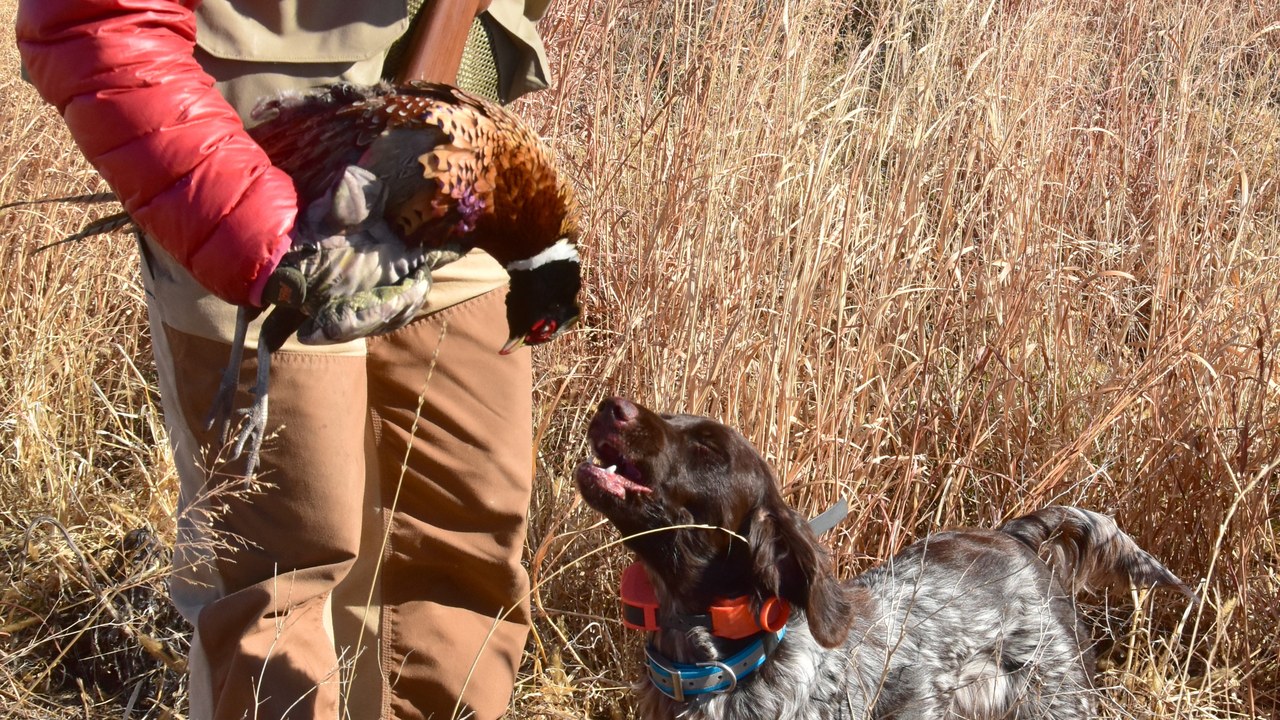
Why late-season days punish dogs differently
Early-season heat is loud. Late-season cold is quieter—and easier to ignore until the dog is already in trouble.
| Reality | Why it drains a dog |
|---|---|
| Short legal daylight | South Dakota’s 10 a.m. to sunset window and Minnesota’s 9 a.m. to sunset start already compress the day; add a wind check, a pad check, and a dry-out at the truck, and “one more shelterbelt” eats the margin. Hours live on the state pages—confirm live before you plan. |
| Wet + wind after cattails | A soaked coat plus prairie wind dumps heat fast. AVMA’s cold-weather page is blunt: dogs are susceptible to frostbite and hypothermia; fur is not magic armor—see AVMA Cold weather animal safety. |
| Ice, snow, and de-icers | Ice balls between toes stop a dog mid-cast. Road salt and ice-melt chemicals can irritate pads and make a dog sick if licked—AVMA and Ready.gov both flag wipe-downs after exposure. |
| Cold trucks | Hot cars get the headlines. Cold cars are a refrigerator. AVMA: do not leave a pet unattended in a vehicle; young, old, ill, or thin pets are especially vulnerable—AVMA pets in vehicles · AVMA cold weather. |
Add senior dogs, short coats, thin body condition, arthritis, and medical conditions AVMA lists as harder for temperature extremes (diabetes, heart or kidney disease, hormonal imbalances)—and risk climbs. Hunter takeaway: late-season success is measured in safe dog casts, not only roosters. Birds will sit in that cattail tomorrow; a cold injury can end the trip today.
Ice balls, pads, and booties (field advice + what AVMA says)
AVMA’s cold-weather page tells owners to check paws frequently for cracked or bleeding pads, and notes that sudden lameness on a walk may be injury—or ice accumulation between the toes. It suggests that clipping hair between the toes may reduce ice-ball buildup. It also says some owners use booties; if you use them, make sure they fit.
Field advice (not a vet protocol, not a brand ranking):
| Habit | Note |
|---|---|
| Pad checks at every fence / parcel change | Do not wait for a limp. Ice balls announce themselves late. |
| Break ice balls gently | Warm hands and patience beat yanking frozen fur. If the dog is in pain or the pad looks damaged, stop the hunt and call your vet. |
| Booties as a tool, not a religion | Some dogs hunt clean in bare pads on dry snow; some shred pads on crust or collect ice in minutes. Fit, retention, and the dog’s gait matter more than fashion. Practice at home before opener week. |
| Wipe after roads and lot ice | AVMA: wipe (or wash) feet, legs, and belly after walks to remove de-icers, antifreeze, and other chemicals. Ready.gov’s pet winter tips: wipe paws—ice-melting chemicals can make a pet sick (Ready.gov Pet toolkit). |
| Keep antifreeze cleaned up | AVMA: even small amounts of antifreeze can be deadly; clean spills and keep containers away from pets. |
We do not invent pad-balm recipes, “safe temperature charts,” or a rule that every pheasant dog must wear booties below a number we made up.
Short days: how daylight changes the hunt plan
Legal hours shrink the clock. Pair that with dog welfare and the plan gets simpler.
What the agencies set (confirm live): shooting hours are law—South Dakota pheasant (10 a.m. Central to sunset), Minnesota pheasant (9 a.m. to sunset), Iowa’s 8 a.m.–4:30 p.m. window, and each state’s half-hour-before-sunrise rules where they apply. See Late-Season Pheasant Tactics and the state pages.
Field advice for dog handlers on short days:
- Front-load the best cover. Hunt the cattail or shelterbelt you came for while the dog is fresh and the light is honest.
- Build in dry-out time before dark. A wet dog in a cold cab at sunset is a welfare problem, not a logistics footnote.
- Agree quit criteria before the first cast. Who watches gait and shiver, and who has authority to end the day.
- Skip the hero cast. After-snow roosters sit; see Hunting Pheasants After the First Snow. Your dog does not need one more mile in the dark truck line.
Truck and crate risks in the cold
AVMA treats cold vehicles as seriously as hot ones.
- Cold weather animal safety: A car in cold weather becomes like a refrigerator and can rapidly chill a pet. Do not leave a pet unattended in the vehicle. Limit unnecessary car travel. Young, old, ill, or thin pets should never be left in cold cars.
- Pet safety in vehicles: Cold weather can threaten pets left in vehicles; leaving a pet in a vehicle on a chilly day isn’t much better than leaving them outdoors. Never leave your pet alone in a parked vehicle, no matter what the outdoor temperature or how long you think you’ll be gone. Use an appropriate restraint (harness, crate, or carrier); crate big enough to stand, turn, and lie down; secure it; for pickup beds, use a secured, appropriately sized, ventilated kennel—not a loose dog in the bed.
Sources: AVMA Cold weather animal safety · AVMA Pet safety in vehicles.
Practical late-season truck habits
| Habit | Note |
|---|---|
| Attended warm-up only | Heater running with a person present is different from “I’ll just run into the café.” Unattended parked vehicle = no. |
| Dry towels and a spare pad | Wet dog + cold crate floor = heat loss. Towels live next to the first-aid kit—First Aid and Truck Kit. |
| Ventilated, secured crate | Follow AVMA sizing/securing literacy; insulated covers are field gear choices, not a license to leave a dog alone. |
| Partner logistics | Someone stays with dogs when others grab fuel or lunch. |
| Water still matters | AVMA: unlimited access to fresh, non-frozen water. Jugs freeze; rotate bottles from the cab. |
Public-land etiquette still applies while you manage cold: quiet lots, yield parking, leash near other parties—Hunting with a Dog on Public Land.
Hypothermia and frostbite signs (AVMA only)
We quote the signs AVMA publishes. We do not invent field triage scores or body-temperature cutoffs.
AVMA — signs that mean get the pet inside / warm quickly (hypothermia): whining, shivering, anxiousness, slowing down or stopping, weakness, or looking for warm places to burrow. Frostbite is harder to detect and may not be fully recognized until a few days after the damage. If you suspect hypothermia or frostbite, consult your veterinarian immediately.
Source: AVMA Cold weather animal safety.
If you see those signs: this is a medicine problem, not a “rest five minutes and push the next cattail” problem. Get the dog out of the cold load, start toward veterinary care, and follow a veterinarian / emergency clinic / 911 as appropriate. Pack emergency clinic numbers for the counties you hunt.
What we will not invent on this page
- Exact core-temperature thresholds for “start / stop rewarming.”
- DIY ice-pack, heating-pad, or hair-dryer protocols (AVMA warns that space heaters, heat lamps, and heated mats can burn).
- Human frostbite first-aid steps from Ready.gov’s winter page copied onto a dog without veterinary guidance (Ready.gov’s frostbite/hypothermia actions on Winter Weather are written for people).
If your veterinarian has trained you on controlled warming for your dog, follow their instructions—not internet folklore.
Drying dogs after cattails and sloughs
Cattails hold roosters—and they soak dogs. Pair tactics with welfare: Cattail and Slough Tactics.
Field advice:
- Towel at the truck after every wet push, not only at the motel.
- Swap to a dry vest/coat if you use one—AVMA: wet sweaters or coats can make a dog colder; have dry spares.
- Check pads and legs for cuts from broken stalks and sharp ice; first-aid literacy lives on First Aid and Truck Kit.
- Do not park a wet dog in a sealed cold crate “for later.” Dry, then rest.
Ice on wetlands (agency ice literacy, not a dog-rescue protocol)
AVMA: stay away from frozen ponds, lakes, and other water—you do not know if the ice will support your dog, and a breakthrough can be deadly for dog and handler.
Minnesota DNR’s ice-thickness table (for new, clear ice only): under 4 inches — stay off; 4 inches — ice fishing or other activities on foot. White/refrozen ice is weaker—DNR says roughly double the guidelines. Ice thickness varies across a single waterbody; there is no 100% safe ice. Sources: MN DNR ice thickness · MN DNR ice safety.
Field advice: treat early- and late-season slough ice as a no unless you have personally measured safe ice and have a real plan. Do not send a dog onto questionable ice for a cripple, and do not become the second victim. If a dog goes through, call 911 rather than improvising a hero entry—local ice-rescue guidance belongs to trained responders.
Vests, coats, and when to quit early
AVMA: if your dog has a short coat or seems bothered by cold, consider a sweater or dog coat; keep dry spares; booties only if they fit.
Field advice for upland vests/coats:
| Choice | Role |
|---|---|
| Blaze / visible vest | Visibility to other hunters on late-season ground—pair with Blaze Orange Requirements by State. |
| Insulated coat for thin/short-coated dogs | Truck-to-field and stand-around time; strip or swap if the dog overheats on a hard cast. |
| Chest/belly protection | Some dogs benefit in crust and stubble; watch for overheating and chafe. |
| GPS / beeper still on | Cold cover is where dogs fade out of sight—Pheasant Dog Gear Checklist. |
Quit ladder (move down early)
| Signal | Move |
|---|---|
| Forecast: bitter wind, ice crust, or wet snow on the dog’s usual weak points | Shorten the plan before you leave the motel—AVMA: shorten walks in very cold weather; know your dog’s limits; ask your vet if unsure. |
| Ice balls / pad checks going badly | Towel, warm-up, end the cast. |
| AVMA hypothermia signs | Inside / truck heat with a person present → veterinary care. |
| Suspected frostbite | Veterinary care—do not wait days to “see how it looks.” |
| Dog quits hunting cleanly | Respect it. Pride is cheaper than an ER bill. |
Ready.gov’s winter message for households: winter storms put pets at greater risk; remember pets in your plans; bring pets indoors when storms threaten (Ready.gov Winter Weather · Ready.gov Pets · Ready.gov Pet toolkit).
Contrast with heat season—and what we are not claiming
| Heat page | Cold page |
|---|---|
| Panting, shade, never a hot cab | Shivering/burrowing signs, dry coats, never a cold unattended cab |
| Water cadence in CRP | Non-frozen water + wipe-downs after ice melt |
| Quit when recovery pant stays hard | Quit when gait, shiver, or ice balls say so |
Both pages refuse invented temperature cutoffs, dosages, and DIY medical protocols.
What we are not claiming
- No invented safe outdoor temperature charts for hunting dogs.
- No drug dosages or DIY emergency pharmacology.
- No brand rankings for booties, coats, or crates.
- No seasons, bags, hours, or license prices restated as gospel—confirm live.
- PARTNER_SLOT blocks below stay empty until a real affiliate exists.
For bird behavior after snow and in winter cover, stay on the tactics pages: Hunting Pheasants After the First Snow · Late-Season Pheasant Tactics · Weather and Pheasant Movement. Preserve days that stretch into deep winter still need the same dog care—Wild Birds vs. Preserve Hunts.
Field checklist — motel to last cast
Night before
- [ ] Dry towels, spare dog coat/vest, collapsible bowl, water that will not freeze solid in the truck plan
- [ ] Emergency vet / clinic numbers for target counties in the truck kit
- [ ] Forecast checked for wind, wet snow, and ice; plan shortened if needed
- [ ] Asked (or re-read notes from) your vet on cold-injury response for your dog
- [ ] Booties fit-checked at home if you plan to use them
At the pull-off
- [ ] Pad/coat check before the first cast
- [ ] Agree quit criteria with partners
- [ ] Never leave dogs unattended in a cold cab
- [ ] On-body water leaves the truck (non-frozen)
During the hunt
- [ ] Pad checks; break ice balls early
- [ ] Watch AVMA hypothermia signs
- [ ] Skip questionable ice on sloughs and ponds
- [ ] Shorten or quit when recovery goes wrong
After
- [ ] Towel dry; wipe feet/legs/belly if salt or de-icer was possible
- [ ] Attended warm-up; check pads, ears, and demeanor
- [ ] Restock towels and water
- [ ] If anything looked like hypothermia or frostbite—call your vet even if the dog “seems better”
Featured gear — partner slots
Empty until a real affiliate exists. Cold-weather dog gear matters; we do not rank brands tonight.
Name TBD · Why it matters: ice balls and crust chew pads on long late-season walks · Who it’s for: dogs that collect ice or hunt sharp crust · Partner link coming
Name TBD · Why it matters: wet coats make dogs colder; AVMA flags dry spares · Who it’s for: cattail and slough hunters in November–January · Partner link coming
Related
- Thanksgiving-Week Pheasant Hunting
- December Pheasant Hunting by State
- Water and Heat Management for Pheasant Dogs
- Hunting Pheasants After the First Snow
- Pheasant Dog Gear Checklist
- First Aid and Truck Kit for Upland Days
- Late-Season Pheasant Tactics
- Cattail and Slough Tactics
- Weather and Pheasant Movement
- Wild Birds vs. Preserve Hunts
- Pheasant Hunting Dogs
- Hunting with a Dog on Public Land
Sources
- American Veterinary Medical Association — Cold weather animal safety (cold tolerance varies by coat, fat, activity, health; shorten walks in very cold weather; short-haired and short-legged pets chill faster; medical conditions and very young/old pets higher risk; dogs susceptible to frostbite and hypothermia; check paws for injury and ice between toes; clipping hair between toes may reduce ice balls; sweaters/coats—keep dry spares because wet coats can make dogs colder; booties if used must fit; wipe feet/legs/belly after chemical exposure; antifreeze deadly in small amounts; cold cars act like refrigerators—do not leave pets unattended; avoid frozen ponds/lakes; hypothermia signs: whining, shivering, anxiousness, slowing/stopping, weakness, seeking warm places to burrow; frostbite hard to detect and may show days later; consult a veterinarian immediately for suspected hypothermia or frostbite; non-frozen water; disaster kit including pet needs for at least 5 days)
- American Veterinary Medical Association — Pet safety in vehicles (cold weather also threatens pets left in vehicles; young/old/ill/thin pets especially vulnerable; never leave a pet alone in a parked vehicle regardless of outdoor temperature; appropriate restraint; crate sizing/securing; ventilated kennel for pickup beds)
- Ready.gov — Pet preparedness social media toolkit (bring pets inside in cold/freezing weather; wipe dog’s paws—ice-melting chemicals can make pets sick; antifreeze hazard messaging)
- Ready.gov — Prepare your pets for disasters (include pets in emergency plans; bring pets indoors at the first sign or warning of a storm or disaster; kit basics including food, water, medicine)
- Ready.gov — Winter weather (winter storms put pets at greater risk; remember pets when preparing; human frostbite/hypothermia literacy—do not copy human first-aid steps onto dogs without veterinary guidance)
- Minnesota DNR — General ice thickness guidelines (under 4" stay off; 4" on foot for new clear ice; white ice ~half as strong—double guidelines; thickness varies; you are responsible)
- Minnesota DNR — Ice safety (no such thing as 100% safe ice; check thickness frequently)
- On this site: Water and Heat for Pheasant Dogs · Hunting Pheasants After the First Snow · Pheasant Dog Gear Checklist · First Aid and Truck Kit · Late-Season Pheasant Tactics · Cattail and Slough Tactics · Weather and Pheasant Movement · Wild Birds vs. Preserve Hunts