Cattail and Slough Tactics for Roosters
Every pheasant hunter eventually meets the slough that beats him. It looks like nothing from the road: a brown oval of cattails in a cut bean field, maybe forty yards across. You walk the edge, the dog gets birdy, and then three roosters flush out the far side, well out of range, cackling the whole way. The cattails did not hide those birds by accident. They are the toughest cover on the prairie, and roosters know it better than we do.
This page is about hunting that cover on purpose across South Dakota, Nebraska, Kansas, Iowa, North Dakota, Minnesota, and Montana: why birds go there, how to push it so they flush inside range, where a blocker earns his spot, how to keep a dog sound in mud and early ice, and which rules ride along with wetland ground. Pair it with Hunting Pheasants After the First Snow, Late-October Cover Shifts, and Pushers and Blockers: Safe Small-Party Drives.
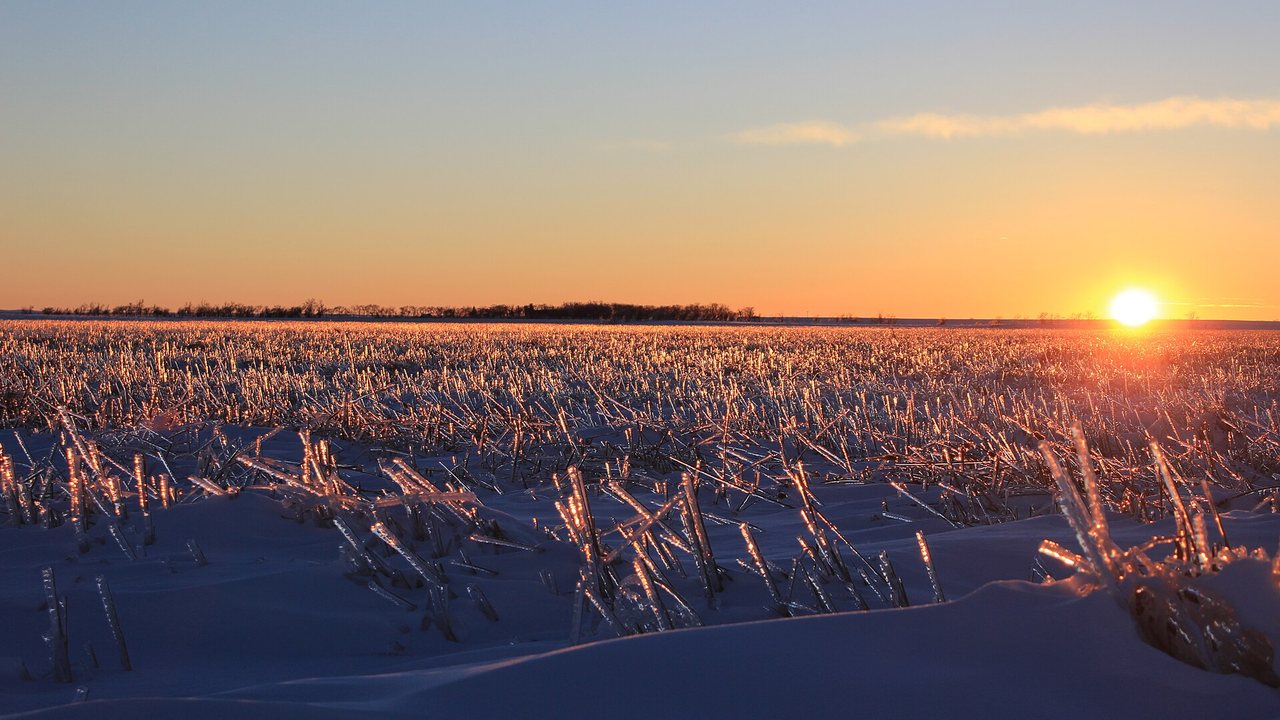
Why roosters live in the cattails
Two agencies say it plainly. Minnesota DNR describes pheasants as creatures of farm country that roost in grasslands, feed in corn, soybean, and grain fields, and seek shelter in sprawling cattail swamps, which give thermal cover in winter and safety from hunters and predators throughout the year (MN DNR, Hunting pheasants). The same page notes that pheasants like to hunker down in tall grass and cattail stands, which is why it often takes a dog to flush them.
North Dakota Game and Fish lists cattail wetlands among the dense cover pheasants use for roosting and escape from September through April, and says cattails are preferred winter habitat, protecting birds from bitter wind and heavy snow. It adds that cattails inside cropland are ideal because the food, waste grain, is right next door. NDGF also cites South Dakota studies in which hens leaned on cattails, tall grass, and food plots for winter cover and turned to trees only at the end of a severe winter (NDGF Habitat Needs of Pheasants).
Hunter translation: Early in the season, a slough is where a pressured rooster runs when the grass gets crowded. After harvest, it is one of the few tall things left in the section. After snow, it is often the best address in the county. The cattails get better as the season gets harder.
Reading a slough from the truck
Not every wet spot holds birds. Before you walk, look for the pieces NDGF says a pheasant needs close together: escape cover, food, and a way between them.
| What you see | What it usually means | How to play it |
|---|---|---|
| Cattails ringed by grass, beside a cut grain field | Roost, loaf, and feed all within a short walk | Hunt it first. Work the grass ring as hard as the reeds. |
| Small slough alone in a big black-dirt field | Birds pile in after tillage because there is nowhere else | One quiet push with a blocker on the far tip |
| Big marsh, hundreds of yards of reeds | Birds can run forever and flush wide | Split it into chunks; hunt the fingers and edges, not the middle |
| Dry slough, cattails standing in a drought year | Easy walking, birds still use the cover | Treat it like heavy grass; move slow and let the dog work |
| Open water in the middle, thin cattail fringe | Fringe holds birds; the middle holds ducks | Work the fringe and grass edge; skip the water |
| Cattails flattened by snow or ice | Thermal value drops; birds shift to the lee side or another block | Check the downwind edge, then look for the next best cover |
Minnesota DNR points hunters to transition areas, the seams where one cover type meets another, and names places where crops, cattails, and grasses converge as a classic example. The grass skirt around a slough is exactly that kind of seam, and plenty of roosters get killed in it by hunters who never get their feet wet.
How to push a slough so birds flush in range
Roosters in cattails do two things well: they run, and they sit until you pass. A good push takes away the first and punishes the second.
- Enter quietly and downwind when you can. Minnesota DNR says pheasants hear well, tells hunters not to slam doors, and recommends walking into the wind so your noise stays behind you and scent comes to the dog.
- Pinch toward the narrow end. Most sloughs have a tip, a finger, or a choke point near a field edge. Push toward it so running birds run out of cover where you can see them.
- Slow down and stop often. A rooster that feels the line keep walking stays put. A stop makes him nervous, and nervous birds flush. Thirty seconds of standing still at the thick spots is cheap.
- Work the edges and the fingers, then the core. Birds in a big marsh love the grass ring and the cattail points that stick into the field. Hunt those first; the deep middle is often where cripples go and dogs get tired.
- Do not race the dog. In cattails the dog knows more than you do. Keep up, keep the line straight, and let it work the scent.
- Expect the far side. If you see birds lift out the back of a slough on your first pass, the next push needs a blocker there.
When the cover is too big for your party, do not try to hunt the whole thing at once. Pick one finger or one end, push it honestly, and move on.
Blockers on cattail sloughs
A blocker at the exit is the single best upgrade on a slough hunt, and it is also where safety matters most, because the people pushing will be walking toward him.
- Post the blocker on the exit tip before anyone starts walking. He should get there quietly from the downwind side, not by walking through the cover.
- Agree on zones of fire out loud. Pushers shoot birds going up and away. The blocker shoots birds flying away from the line and past him, not back toward the pushers. Nobody swings a gun across another hunter. Our Pushers and Blockers guide covers zones of fire and communication in detail.
- Low birds are no-shoot birds. A rooster skimming the cattail tops toward a blocker or another pusher is a bird you let go.
- Blaze on everyone. In tall reeds a person can disappear at forty yards. Blaze orange rules by state are on Blaze Orange Requirements by State.
- Know when the push is over. Call it out when the line reaches the blocker, and unload or keep muzzles safe as people converge.
Your dog in the cattails
A slough is a dog’s kind of cover and a hard place on the dog. Treat these as field habits, not rules.
- Mud and water wear dogs out fast. Busting reeds and slogging muck takes more effort than grass. Shorten pushes, rest often, and carry water. Slough water is not a good drinking source.
- Cuts happen. Broken cattail stalks, sharp ice, and old wire in wet ground can slice pads and legs. Check your dog after every push and carry a first-aid kit: First Aid and Truck Kit for Upland.
- Wet dog, cold wind. A soaked dog in November wind loses heat quickly. Towel off, use a crate pad, and do not crate a wet dog in an open truck bed.
- Cripples run into the cattails. Minnesota DNR notes that a wounded pheasant will often run great distances or burrow deep into thick grass, and that a good dog can track one or retrieve a rooster that has burrowed into grass or cattail stems. Mark the fall, send the dog promptly, and give it time.
- Keep the dog visible. An orange vest or collar helps every gun in the party know where the dog is in tall reeds.
Ice: the part that can kill you
Sloughs freeze unevenly, and hunters and dogs end up on them because the birds are there. Minnesota DNR is blunt: ice is seldom the same thickness over a single body of water, it can be two feet thick in one place and one inch thick a few yards away, and the agency recommends staying off new, clear ice under 4 inches and using 4 inches as the minimum for activity on foot. White ice, the kind that forms when snow melts and refreezes, is only about half as strong, so DNR says to double the guidelines (MN DNR, Ice thickness guidelines). Cattail stems, springs, and moving water all weaken ice further.
Field rules worth keeping:
- If you have not checked the ice, treat it as open water.
- Never go out after a dog that has broken through. Call it toward you, toward shore or the way it came in. Going in after a dog can turn one emergency into two.
- Walk the shoreline and the grass ring when the middle is questionable. Birds hold on the edges anyway.
- Unload before you cross anything questionable, and hand guns across ditches and fences rather than climbing with them.
Wetland ground comes with its own rules
A lot of the best cattail cover on public land sits on federal Waterfowl Production Areas and state wildlife areas built around wetlands. That changes what goes in your gun.
- Non-toxic shot. Many federal wetland units and some state areas require non-toxic shot for upland hunting, not just ducks. Approved federal shot types are listed in 50 CFR 20.21(j). Check the unit’s posted rules, and see Non-Toxic Shot on Public Land for how this works by state.
- You may have company. Sloughs are duck and goose country too. If a waterfowl hunter is set up on the water, give him room, do not push his marsh, and go find another slough. Courtesy goes both ways on public ground.
- Walk-in and permission rules still apply. A slough on a walk-in tract is open only within the tract boundaries; one on private ground needs permission. See How to Read a Walk-In Map and Asking Permission on Private Pheasant Ground.
- Seasons, bags, and hours. Roosters only, everywhere. Dates, limits, and legal hours are on each state page: SD · NE · KS · IA · ND · MN · MT. Confirm on the agency site the week you go.
Leave the slough better than you found it
NDGF asks landowners not to burn cattails in and around wetlands, because those cattails are winter survival cover. As hunters, our part is simpler: one honest push per slough per day, no shooting hens, and no running birds out of their last good cover during the worst storms of a hard winter. That is not a regulation. It is how there are birds in that slough next fall.
Slough-day checklist
- [ ] Season, bag, and legal hours confirmed for the state you are in
- [ ] Non-toxic shells if the unit requires them
- [ ] Waterproof boots or hip boots; gloves and brush pants for cattail stalks
- [ ] Blaze on every hunter and orange on the dog
- [ ] Plan the push: enter downwind, pinch toward the narrow tip, blocker posted first
- [ ] Zones of fire agreed out loud before anyone walks
- [ ] Water, towel, crate pad, and first-aid kit for the dog
- [ ] Stay off ice you have not checked; never chase a dog onto bad ice
Featured gear — partner slots
Empty until a real partner exists. Dry feet and a visible dog matter more than brand names.
Name TBD · Why it matters: slough edges are wet even in a dry year · Who it's for: hunters working cattails and wet grass · Partner link coming
Name TBD · Why it matters: many wetland units require non-toxic shot for upland birds · Who it's for: anyone hunting WPAs and wetland wildlife areas · Partner link coming
Related
- Hunting Pheasants After the First Snow
- Late-October Cover Shifts
- Pushers and Blockers: Safe Small-Party Drives
- Shelterbelt and Tree-Row Pheasant Tactics
- Late-Season Pheasant Tactics
- Non-Toxic Shot on Public Land
- First Aid and Truck Kit for Upland
- Blaze Orange Requirements by State
Sources
- Minnesota DNR — Hunting pheasants (roost in grasslands, feed in crop fields, shelter in cattail swamps for winter thermal cover and year-round safety; birds hunker in grass and cattail stands; transition areas where crops, cattails, and grasses converge; good hearing, quiet doors, walk into the wind; wounded birds run or burrow into grass or cattail stems)
- North Dakota Game and Fish — Habitat Needs of Pheasants (cattail wetlands as roosting/escape cover Sept.–April; cattails preferred winter habitat; cattails in cropland near waste grain ideal; SD studies on hen use of cattails, tall grass, and food plots; avoid burning cattails)
- Minnesota DNR — General ice thickness guidelines (thickness varies widely on one body of water; stay off new clear ice under 4 inches; 4 inches on foot; white ice about half as strong, double the guidelines)
- 50 CFR 20.21(j) — Approved nontoxic shot types
- MN DNR and NDGF habitat pages and MN DNR ice thickness page re-checked live 2026-10-10.
- No seasons, bag limits, hours, or license prices are restated on this page; they link to this site's state guides, which cite the agencies. Confirm live before hunting.
- Slough-reading table, push tactics, blocker placement, and dog care are field advice, not agency rules.